
How to See Through Social Masks: Shadow Work & Carl Jung
How Jungian Shadow Work Reveals Pathological Personalities
Many people assume that harmful individuals succeed because they are clever, manipulative, or unusually charismatic.
While that can be true, the deeper reason many fall for social masks is far simpler: they haven’t met their own shadows yet.
I was raised by narcissists as the scapegoat child. I trauma bonded to them as friends and lovers for decades. I was in therapy for years trying to sort out why I kept getting blindsided by abuse, abandonment, and betrayal.
But my ability to keenly sense the presence of people with NPD and ASPD happened nearly overnight.

I started to be able to feel it like a sixth sense as red flags popped up in my pattern recognition. I’d developed some tried and true tests to double check my instincts, and they repeatedly turned out correct as people’s masks slipped, revealing snakes in my grass.
Only two things changed in my life when this ability came to me: 1) I endured a life-threatening situation with a sociopath that I barely survived, and 2) I recognized my own Borderline Personality Disorder.
The latter was my KEY to both deep healing and deeper intuitive abilities to see the pathologies of other Cluster Bs, including histrionics and other borderlines.
Lately, I’ve been reading Carl Jung, who, incidentally, may have been a narcissist.
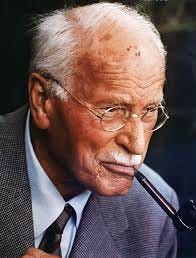
Don’t make the mistake of thinking psychologists don’t have their own struggles with mental health.
He had a fair amount of red flags: 1) His mirrored enmeshment, competition with, and falling out with Freud; 2) His chronic cheating; 3) His Dark Night of the Soul when his friendship with Freud ended; 4) His support for the Nazi party and some racist ideologies; 5) His misuse of power with his patients to begin sexual affairs; 6) Having a name that rhymes with his father’s and grandfather’s (a common marker of a golden child).
Regardless, he had some fascinating ideas about personalities, dreams, spirituality, and mental health.
Carl Jung believed that we all wear masks — the persona we show the world — but beneath that mask lives the shadow: all the rejected, denied, or unconscious aspects of ourselves.
And according to Jung, the more thoroughly someone works through their own shadow, the more easily they can recognize the masks of others.
One of the most fascinating examples of this comes from the way people with borderline personality traits or trauma histories often become unusually good at recognizing narcissists.