
How to Go from Codependence to Independence
The wisdom that allowed me to finally let go...

I grew up thinking that love could save me.
The daughter of two parents with Narcissistic Personality Disorder and Antisocial Personality Disorder — cast as scapegoat to one and invisible to the other — I kept thinking, if I loved harder and proved I could be PERFECT, then my parents could learn to love me back.
If they learned to love me back, maybe I could finally see myself as worthy enough to love.
Unbeknownst to me, this was the trauma I’d engage in as repetition compulsion for decades with both friends and lovers as I kept attaching to abusive pathologies.
I consistently tried to earn love from those who were not only incapable of loving — they were committed to harming me.
My psyche kept threatening to swallow me whole as the wounds of my inner child repeatedly resurfaced with each betrayal or abandonment.
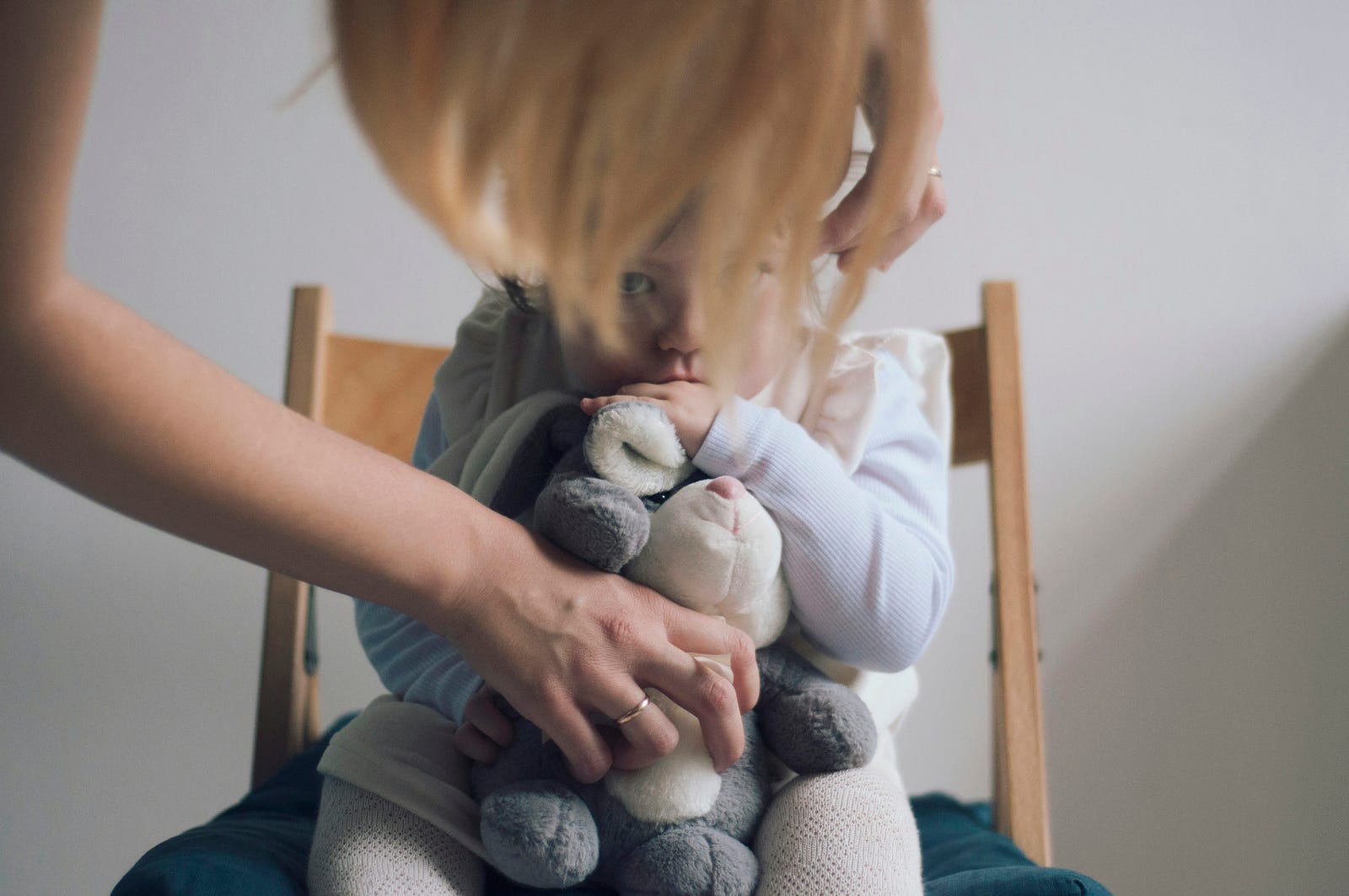
Harming me allowed abusive people to stay distracted from their healing their own wounds just as loving abusive people allowed me to stay distracted from healing mine.
Trauma bonding is an addiction, a type of codependency: it’s an addiction to a process, not a substance, but the chemical interplay within the brain is the same.
The addiction is always life-threatening.
Eventually, you hit a rock bottom.

You have to admit that your fantasy of love is never coming to save you.
And you can’t save the people you love from themselves either.
This is devastating awareness for people raised as scapegoat children — people taught from birth that their role was to absorb pain, take blame, smooth conflict, over-explain, over-forgive, and abandon themselves and their own emotional needs to keep others comfortable.
If you grew up believing survival meant endurance of abuse, then letting go of abusers can feel like committing the worst betrayal imaginable.
Especially if you also have anxious attachment and Borderline Personality Disorder, where abandonment from abusers evokes more than depression and self-harm — which are baseline feelings and behaviors for people with BPD — the loss of your loved ones results in total psychological annihilation.
Loss of love is a plummet to suicide, as our whole worlds revolve around our beloveds.
We cling because our nervous system learned early that losing connection meant danger, the inability to survive, and humans are a social species that works together and bonds through love, so loneliness in adulthood evokes an existential dread and crisis that harkens to the terror of a loveless childhood.