
Narcissm & Memory: How They Regard Your Shared Past
How does memory work when someone has no self and doesn't live in reality?
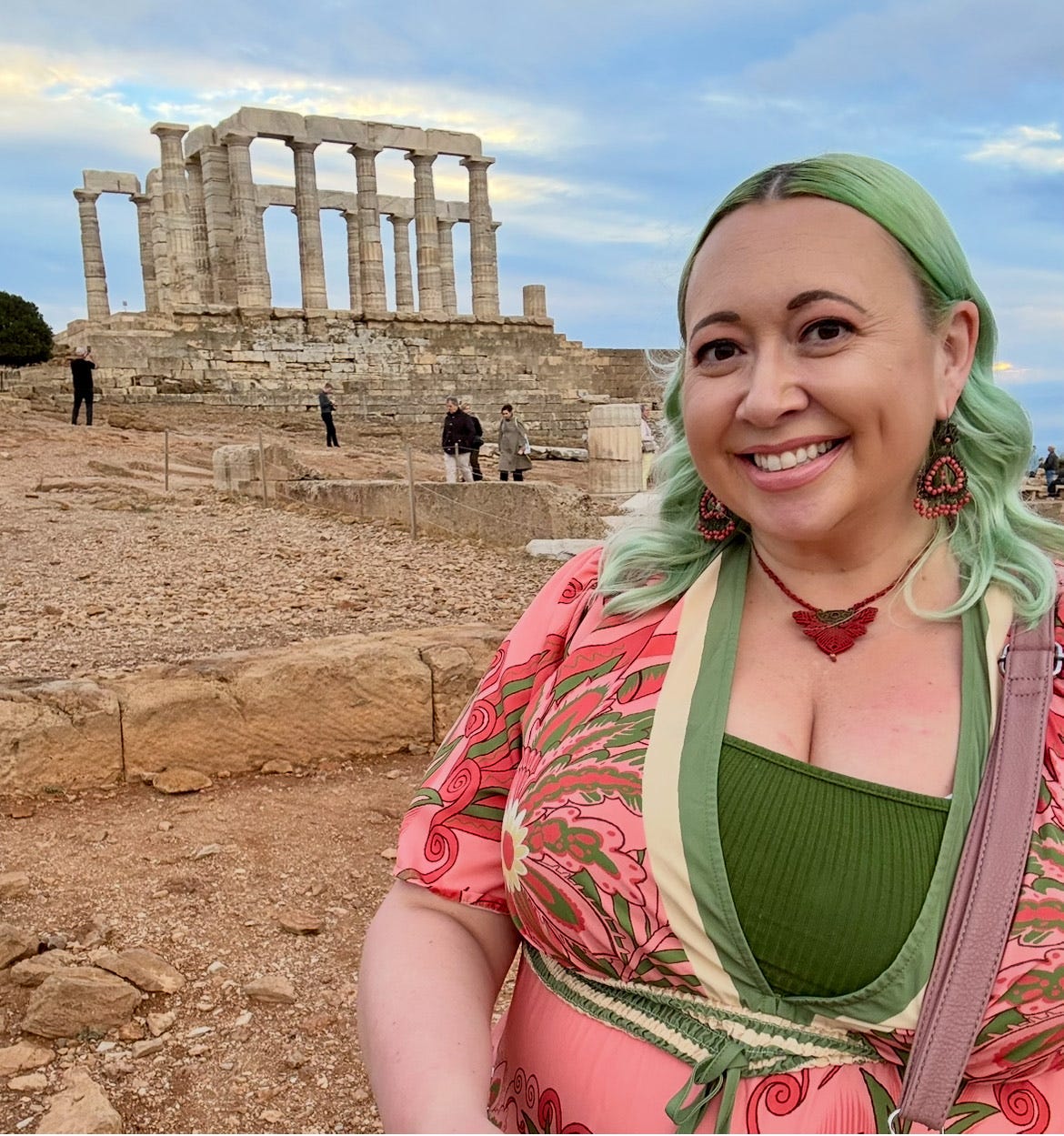
As I flipped through my photo album of a recent solo trip to Greece, I couldn’t help but think of the past trips I’d taken when I was enmeshed in toxic partnerships or friendships.
People are diverse, even within the same Cluster B pathologies, but there are a couple patterns I noticed.
1) Many of narcissists in my life had no desire to travel.
They had different reasons for this that ranged from not trusting airline pilots to having no need for travel when they lived in the best city in the best state of the best country in the world.
2) When they did travel, they never, ever traveled alone.
It was as if travel couldn’t happen without a parental guardian in the form of their supply sources.
3. When they did travel, they had a tendency to complain, to ruin events, and to care very little for the memories after traveling.
This was the one that baffled me the most because it was in such stark contrast to how I felt about travel.
For me, travel evoked awe and deep gratitude.
Every place I’ve traveled to opened new rooms in my heart and new ideas in my mind. I absorb the places in a way that fosters a deep love for them, and I remember them as some of the moments in my life in which I made important goals or dreams come true.
While travel comes with stress, I lean more towards gratitude than complaint, because I know that the moments of discovery and experience you have while traveling are blessings in life that are few and far between.
I frequently revisit the memories of travel: they’re evidence of accomplishment in my life. I’d choose having life experiences over having a romantic partner any day.
In contrast, narcissists in my past treated travel memories like long-gone events that carried no meaning to them whatsoever. When I’d bring up memories that meant something to me, they often countered with complaints about how imperfect it was.
For example, a real conversation:
“Kayaking on the bioluminescent bay at night was so magical. I’ll never forget that.”
“Ugh, you were so awful at steering the kayak. I felt like I had to do all the work.”

Am I being too sensitive again to revere such experiences?
Another part of why these experiences mattered to me was because I was sharing them with people I loved. Why didn’t they feel the same sense of gratitude from them? It seemed to be yet another way in which no amount of luxury, privilege, or love was good enough for them.
This made me think about the subject of memory and personality disorders.
How does memory function when someone has no self? How does it function when reality is optional and delusion is preferrable?
We know the tragic long-term consequences of NPD and ASPD on memory: it largely correlates to Alzheimer’s in old age.
But how does it function throughout life before the deep cognitive decline?
And how does it compare for someone who lives in reality and has a fully developed self?