
The Fastest Way to Know What Hurts a Narcissist Most
How to get under the skin of a malicious person.

The major byproduct of trauma for those who don’t have NPD or ASPD in reaction to narcissistic abuse is GRIEF.
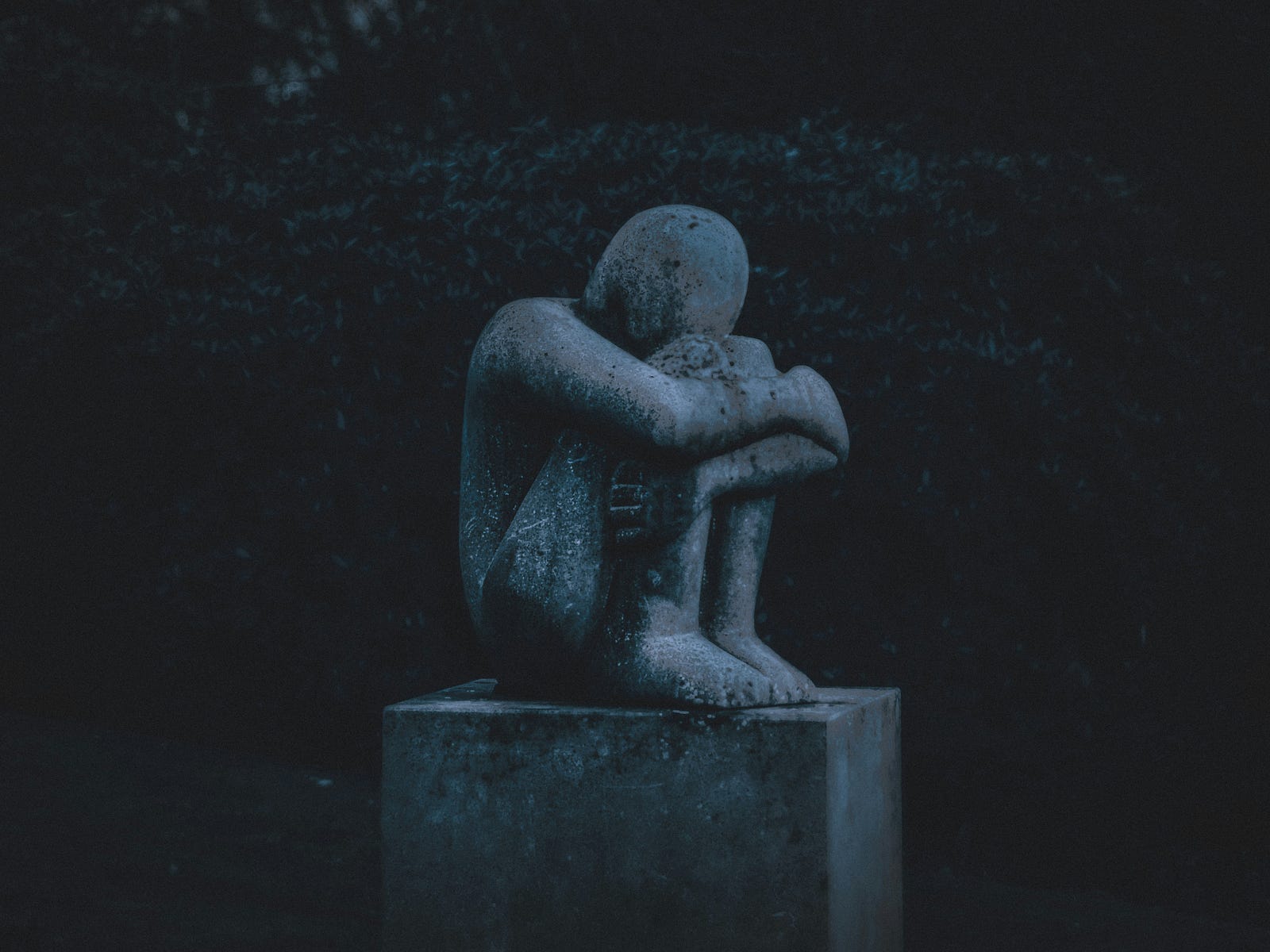
Comparatively, people afflicted with the disorders of NPD and ASPD do not have the brain capabilities of grieving due to improper frontal lobe development and emotional stunting.
Therefore, grief in childhood remains trapped in their psyche, unresolved, motivating all of their behaviors and causing severe emotional dysregulation.
People who experience child trauma who do not develop NPD and ASPD also cannot process their trauma in childhood via grieving: grief is simply too painful for a child to survive. Even children who experience grief young that they don’t remember, such as orphans or adopted children or children whose parents died young, have repeatedly showcased that their unresolved traumas manifest as behavioral problems, addiction, and mental illness later in life.
Those who experience childhood trauma will, instead of grieving and healing, engage in trauma repetition compulsion — narcissists do this too — until they are able to identify and grieve the trauma properly in adulthood.
In repetition compulsion, a victim of harm will unknowingly attract to people who are avatars of the people who harmed them, and they’ll attempt to earn that person’s love. Instead, they’ll get re-traumatized.

Narcissists, in contrast, engage in repetition compulsion by re-enacting their trauma as the abuser in control. This makes them feel powerful over what they once felt powerless over.
The process of properly grieving in adulthood to heal requires time, patience, commitment, education, and a safe space to grieve, as the depression stage of grief brings about suicidal ideation.
Narcissists, however, never resolve their repetition compulsion, as its their only temporary escape from internalized despair, and they never grow strong enough to endure the painful emotions that come with depression. For a narcissist, suicidal feelings — if they survive them (all Cluster Bs are high risk for suicide) — will be projected onto scapegoats as homicidal feelings.
They bypass guilt by blaming their victims, believing delusions that their abusive behaviors are deserved.
They also believe in a grandiose identity that most often is immune from any poor behavior, being too superior to others to be capable of such.
When grappling with the anger stage of grief, a common questions survivors ask after a relationship with a narcissist is: What hurts them? What gets under their skin the way they got under mine?