The Spiritual Entanglement of the Vampire and the Fae
A Field Guide to Love, Death, & Psychic Hunger Between a Sociopath & Empath
When I was nine, I learned that love could be a curse.
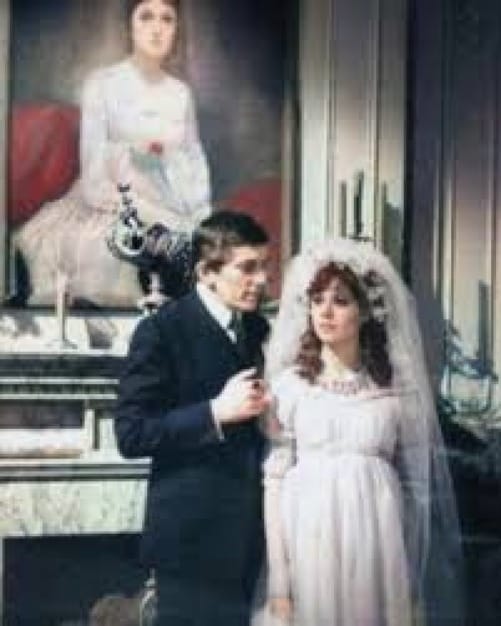
I watched reruns of the 1960s-1970s soap opera Dark Shadows with a child’s reverence for the mystery of classic supernatural tales of darkness. Barnabas Collins, the vampire of the series, was already ancient when I met him, already damned, already orbiting loss like a moon around a dead planet.
He loved Josette, lost her, and then spent eternity circling her echo: Maggie, the living woman cursed to resemble the dead beloved.
Even as a child, I understood the horror. Not the vampire part. The repetition part. The doomed reenactment. The way grief can turn love into a loop that never resolves.
That was my first lesson in traumatic attachment.
Later, as a teenager, the lesson sharpened into desire. Interview with the Vampire taught me that beauty and despair could coexist in the same body.
I swooned over immortality’s melancholia, especially Brad Pitt, radiant and ruined, yearning for meaning while knowing that everything he touched would rot.

I devoured Anne Rice, who understood that the vampire was never about blood—it was about existential starvation.
Still, I thought it was romantic. I saw the coldness in these men. I saw how LETHAL they were--and I wanted to feed them...and be loved for it.
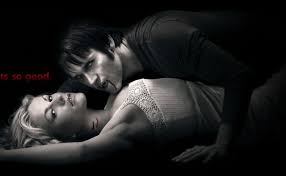
As an adult, watching True Blood, I thought I understood the metaphor completely. Vampire and human. Hunger and surrender. Power exchanged for intimacy.
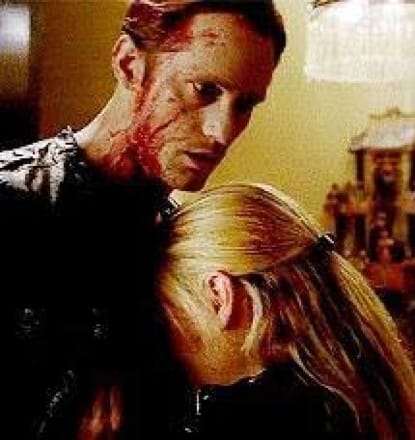
Stoned, feral, half-dreaming, I climbed atop another man incapable of love; again, I mistook arousal for revelation.
I believed danger sharpened love. I believed being desired by something lethal meant I was extraordinary. I even thought the vampire could protect me.
Would turn me supernatural before he drained me dry.