What Archetype Did the Narcissist Play in Your Spiritual Journey?
And what archetypes do borderlines and histrionics play in theirs?

Narcissists, Borderlines, Histrionics and the Mythic Roles They Play in the Psyche
Some people enter our lives quietly, like passing weather.
Others arrive like omens.
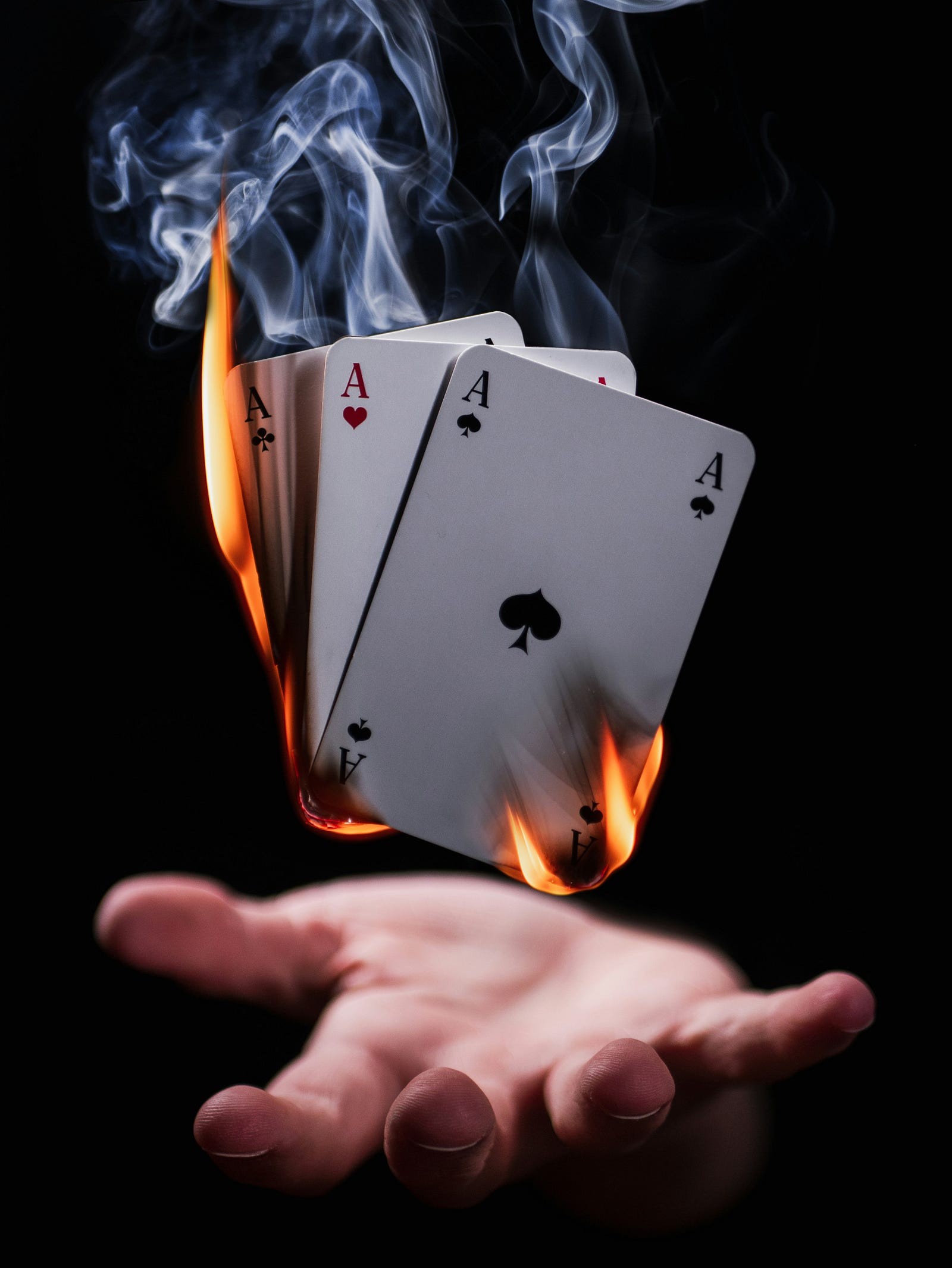
A narcissist doesn’t simply appear as a toxic personality; they emerge as a mythic force — one that destabilizes identity, fractures innocence, and drags buried material into the light.
They’re a catalyst to change, and their method of doing so is trial by fire — the destruction that forces either death or rebirth.
In Jungian psychology, these encounters are not random. They activate archetypes that have been in human mythology stories for millennia, long dormant in the psyche, often through trauma rather than choice.
This isn’t because suffering is sacred.
It’s because the psyche will evolve or break.
What follows is not a justification of abuse, nor a spiritualization of harm. It’s an exploration of archetypal roles — the symbolic masks that trauma can force people to wear, and the meanings that emerge after survival.

The Narcissist as Archetype in the Spiritual Journey
1. The Shadow-Bearer
The narcissist often arrives carrying what others were trained to bury: hunger, entitlement, rage, envy, grandiosity. In Jungian terms, they become the Shadow made flesh.
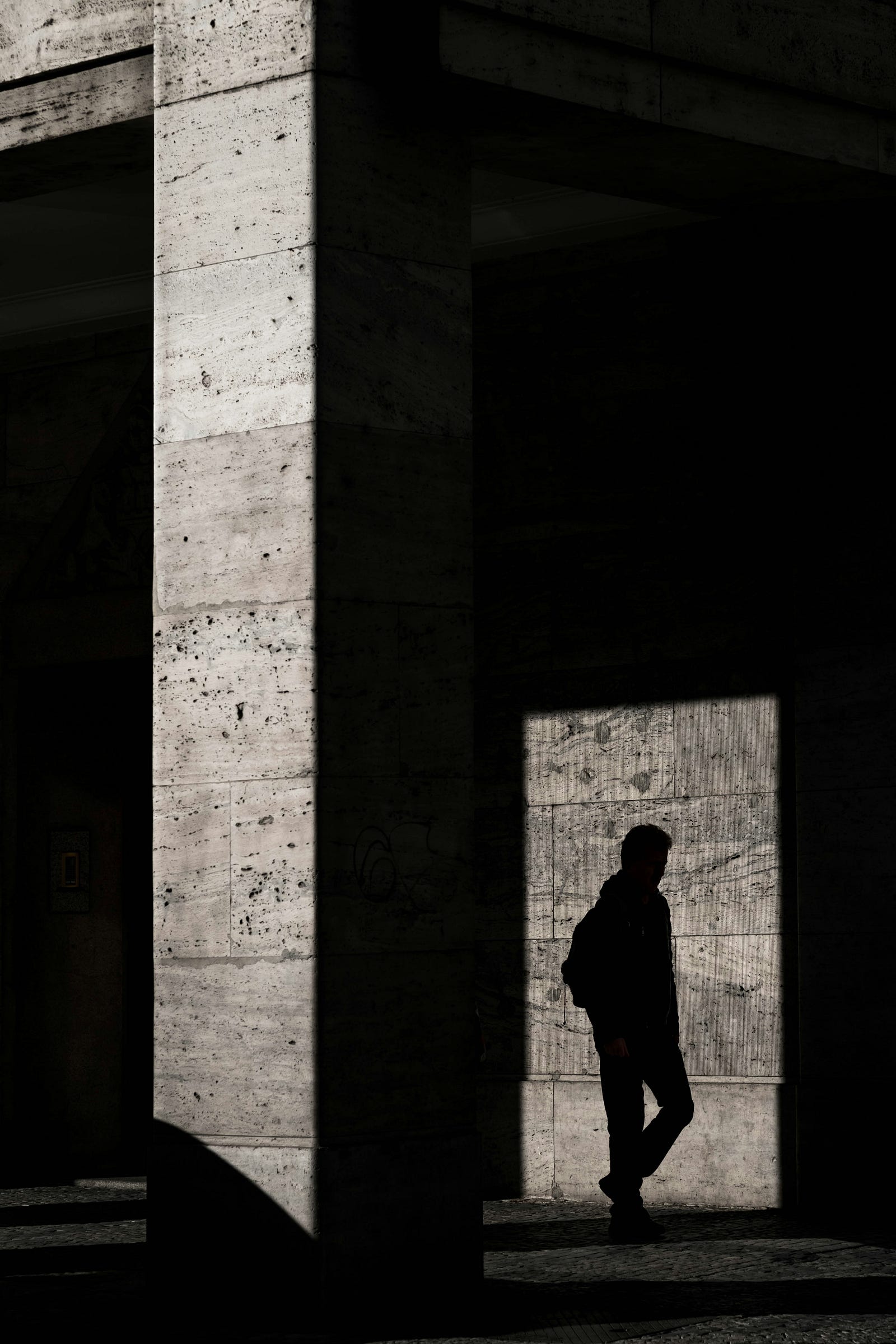
They don’t integrate their shadow self of shame — they project it.
For the survivor, this archetype initiates a brutal reckoning: